
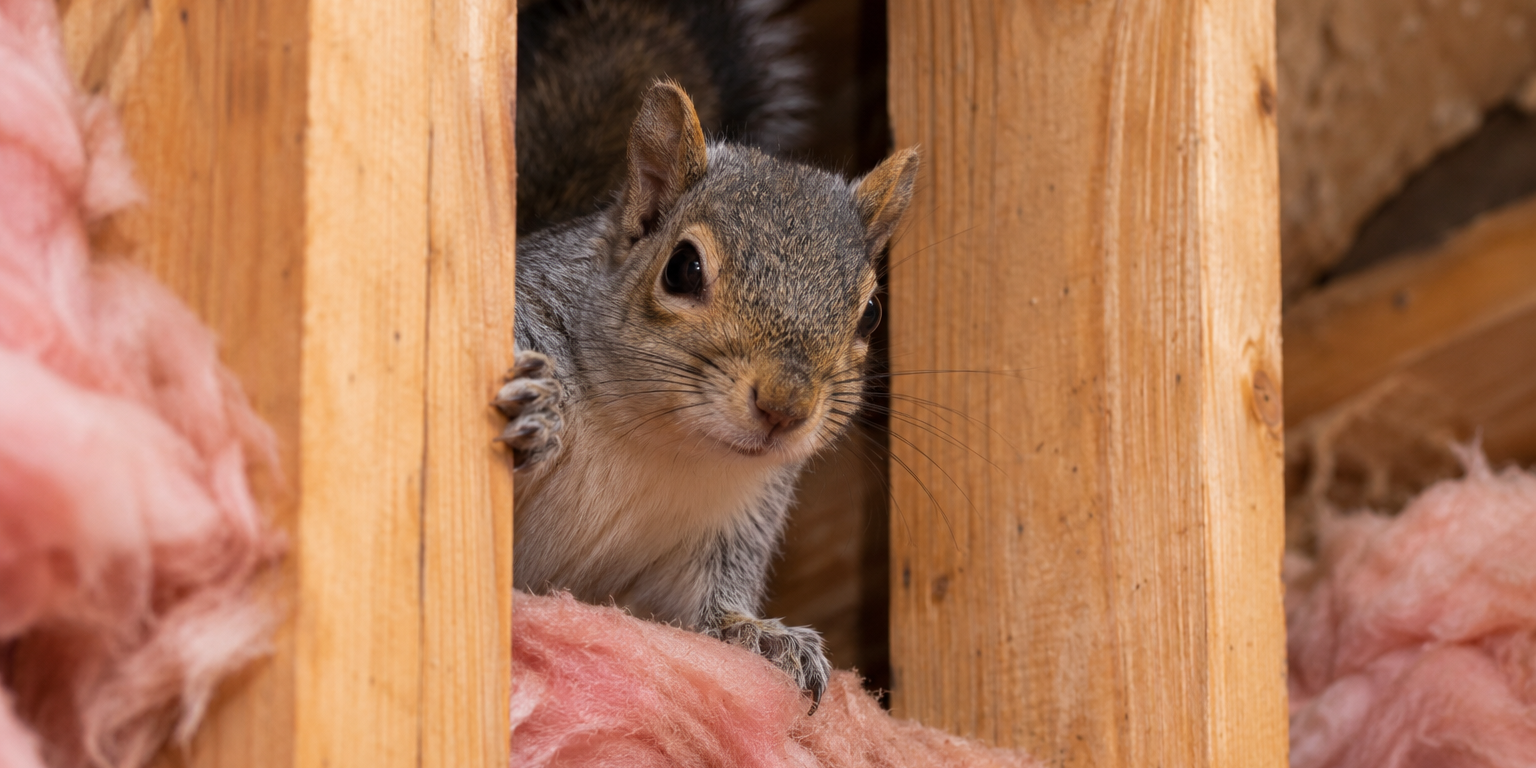
As temperatures drop across Connecticut, homeowners aren’t the only ones looking for a warm place to spend the winter. Wildlife often seeks shelter inside homes, taking advantage of small openings along rooflines, siding, vents and foundations. If you’ve recently started hearing scratching, scurrying or rustling sounds inside your walls at night, you may have an unwanted visitor.
While these noises can be unsettling, understanding what may be causing them is the first step toward resolving the problem.
What Animals Could Be Living Inside Your Walls?
Several types of wildlife commonly found throughout Connecticut can make their way into residential properties. Mice, squirrels and flying squirrels are among the potential culprits. Once inside, these animals may travel between attics, wall cavities and other concealed areas in search of shelter.
The time of day you hear noises may offer some clues. Gray squirrels are generally more active during daylight hours, while flying squirrels and mice are often active at night. However, sounds alone are not always enough to accurately identify the animal.
Why Is Wildlife Entering Your Connecticut Home?
Connecticut’s cold winters make residential properties particularly attractive to wildlife. Older homes, wooded neighborhoods and properties with overhanging tree branches may be especially vulnerable.
Common wildlife entry points include:
-
Damaged soffits and fascia boards
-
Gaps around rooflines and siding
-
Damaged attic vents
-
Openings around utility lines
-
Small cracks and gaps along foundations
Even relatively small openings can provide access to protected areas inside your home.
Can Animals Inside Your Walls Cause Damage?
Unfortunately, scratching noises may be the first indication of a larger problem. Animals nesting inside walls or attics can damage insulation, chew electrical wiring and contaminate surrounding materials with droppings and urine.
Over time, damaged or contaminated insulation may also compromise your home’s energy efficiency, making it more difficult to maintain comfortable indoor temperatures during the winter.
Addressing wildlife activity early can help prevent more extensive property damage and costly repairs.
What Should You Do If You Hear Scratching in Your Walls?
Avoid sealing suspected entry points before determining whether animals are still inside. Doing so could trap wildlife within your home and create additional problems.
A professional wildlife inspection can help identify the animal, locate potential entry points and determine an appropriate removal strategy.
At Anderson Wildlife Control, we specialize in humane wildlife removal throughout Connecticut without the use of pesticides or poisons. Our team understands the challenges local homeowners face and provides professional solutions to address unwanted wildlife activity.
If you’re hearing scratching in your walls, attic or ceiling this winter, don’t wait for the problem to get worse. Contact Anderson Wildlife Control today for professional wildlife removal services in Connecticut.